
Dubai is one of the few places every entrepreneur wishes to invest in, thanks to its strategic location and business friendly policies. Its iconic skyline and free zones further establish it as the business hub of the continent.
In recent years, Dubai (and the wider UAE) has revised its legal and tax framework to attract foreign capital. Most companies in the country now enjoy 100% foreign ownership and full profit repatriation. Combined with no personal income tax and customs duty exemptions, it’s turning out to be the business capital of the world.
Why Should You Choose Dubai?
Advanced Infrastructure
The UAE government has invested heavily in world-class infrastructure. Dubai’s skyline and cityscape showcase “modern and sophisticated infrastructure” in transport, telecommunications and urban development.
State of art freeways, ports, airports and telecom networks mean businesses benefit from reliable logistics and connectivity. High-speed internet, 5G rollout, and smart-city services (e-government, digital payments) streamline operations.
For example, the government’s Basher portal allows a company to be registered online in about 15 minutes, reflecting the ease of doing business with such e-services.
100% Foreign Ownership & Repatriation
Dubai’s free zones and even many mainland sectors now allow complete foreign ownership. Investors can maintain 100% equity in their company without requiring a local partner. Moreover, businesses can repatriate all capital and profits back to their home country.
This full ownership structure and free movement of funds (capital and dividends) greatly reduces barriers and risks for international entrepreneurs.
Tax and Duty Incentives
Companies in Dubai (especially in free zones) enjoy very low taxes. Corporate income is taxed at 0% up to AED 375,000, and 9% above that (for mainland businesses). Critically, qualifying free zone companies can retain a 0% corporate tax rate on their qualifying income if they meet regulatory conditions.
The UAE also imposes no personal income tax on salaries or investments, and many free-zone firms get 100% exemption from customs duties. These incentives convert into much higher take home profits for business owners compared to most Western markets.
Established Free Zones and Industries
Dubai boasts over 40 specialized free zones, each tailored to sectors like trade, media, technology, or healthcare. Examples include Jebel Ali Free Zone (JAFZA), Dubai Multi Commodities Centre (DMCC), Dubai Internet City, and many others.
Each free zone offers sector-specific infrastructure, business parks, and services, enabling firms to plug into existing industry clusters. All free-zone entities benefit from 100% ownership and dedicated support services. This diversity of zones means investors can choose the optimal jurisdiction and community for their business needs.
Strategic Global Hub
Dubai’s geographic location at the crossroads of Europe, Asia, and Africa gives it unparalleled market access. The city is a leading logistics and trading center, with one of the world’s busiest airports (DXB) and seaports (Jebel Ali) connecting to over 200 destinations.
In fact, Dubai’s official channels note “Easy Regional, Global Market Access” as a core advantage. The UAE’s extensive network of free trade agreements and double taxation treaties with many countries further smooths international trade and investment flows.
Fast & Business-Friendly Setup
Dubai offers very streamlined company registration procedures. The government highlights “fast and easy business set-up procedures”. Entrepreneurs can apply online or via one-stop shops (DED service centers) to reserve a trade name, get approvals, and obtain a trade license.
The Basher platform (for UAE mainland companies) exemplifies this digital ease: it brought together multiple agencies into one portal, enabling business incorporation in as little as 15 minutes.
Overall, bureaucratic hurdles are relatively low, and many services (such as licensing, visa applications, PRO services) can be handled electronically or through support firms.
Strong Legal and Regulatory Framework
The UAE has modernized its business laws to align with global standards. Independent legal systems in mainland and in each emirate/regulator help maintain clear rules. Dubai’s economy operates under transparent regulations and international commercial law.
For example, new foreign investment and company laws allow more liberal ownership rules and protect investor rights. The ministry notes the benefit of “independent laws and regulations” in free zones, which means each free zone authority can tailor regulations to business needs.
Robust IP protection, arbitration centers, and a strong contract-enforcement record add confidence for companies.
Growing Business Community and Networking
Dubai has a lively ecosystem of entrepreneurs, investors, and multinational firms. “Developed business communities” in each free zone and city district means easy access to industry networks.
Numerous trade forums, conferences and incubators foster collaboration. Government initiatives like Dubai Chambers, DMCC Launchpad, and Dubai SME provide support and networking platforms.
This built-in community effect makes partnerships, joint ventures and talent recruitment more accessible for new entrants.
Robust Economic Growth
Dubai’s economy has remained resilient and growing. In 2024, Dubai reported year-on-year GDP growth of 3.3% in Q2, reflecting expansion in tourism, finance, trade and logistics. The UAE Central Bank projects overall UAE GDP growth around 4% for 2024.
A growing domestic market and continuous infrastructure projects (e.g. Expo 2020 legacy developments) mean expanding opportunities. The government’s ambitious “D33” agenda targets doubling the economy by 2033, underscoring sustained expansion.
Such growth prospects offer new businesses the chance to scale quickly and tap into rising demand.
Residency and Visa Benefits
Setting up a company in Dubai also provides generous immigration incentives. Investors and qualified entrepreneurs can obtain residency visas (including the Golden Visa) for long term stay. The UAE’s Golden Visa programme grants 5 or 10 year residence to business owners, specialists and investors, facilitating planning and talent retention.
Additionally, companies sponsoring employees can obtain employment visas, and even freelancer and remote worker visas are available in Dubai. These programs simplify living and working in Dubai for founders and their staff.
Quality of Life and Stability
On top of business advantages, Dubai offers an attractive living environment. It is widely regarded as one of the world’s safest cities, with political and social stability, strong rule of law, and excellent healthcare and education.
The cosmopolitan lifestyle, modern housing and leisure options, and internationally recognized schools make it easy for foreign families. A stable currency (the Dirham is pegged to the USD) and a clear legal system protect investments.
All of these factors help businesses attract and retain top talent from around the world.
How to Set Up a Business in Dubai
Setting up a business from a Business setup company Dubai involves choosing a jurisdiction (mainland or free zone), determining the legal structure, and completing several regulatory steps. The exact process varies by type, but generally follows these stages:
1. Choose Your Business Activity & Structure
Start by deciding what kind of business you’ll run. This affects the type of license you’ll need:
- Commercial – for trading activities
- Professional – for services or consulting
- Industrial – for manufacturing or industrial work
Next, choose a business structure:
- On the mainland: LLC, sole establishment, or a branch of a foreign company
- In a free zone: FZ LLC or FZE
This choice affects ownership rules, visa eligibility, and how you’ll operate.
2. Pick and Reserve a Trade Name
Choose a unique name for your business that follows UAE rules (no offensive or religious terms). Then, reserve it with the relevant authority.
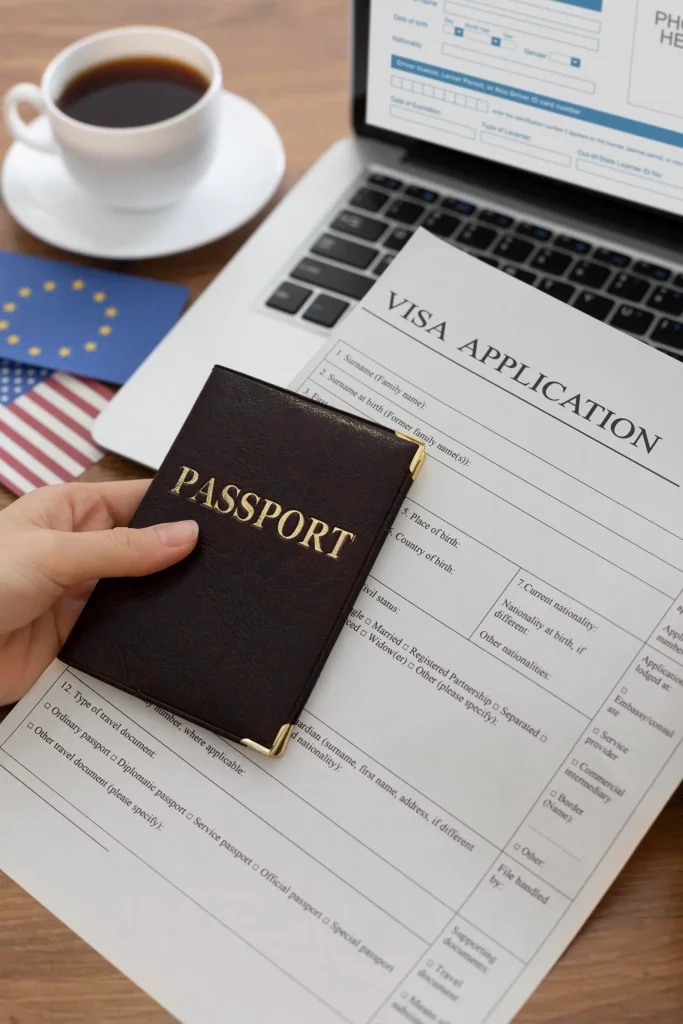
3. Prepare the Required Documents
Gather the necessary paperwork. Usually, you’ll need:
- Passport copies of owners or directors
- A No-Objection Certificate (NOC) if applicable
- A business plan (for certain activities)
- Proof of address (like a tenancy contract)
- Bank reference or account opening letter
- Draft Memorandum and Articles of Association (MoA)
If you hire a service provider, they can help prepare and notarize these documents.
4. Apply for Initial Approval
Some activities need pre approval from authorities:
- For mainland businesses, apply through the Department of Economic Development (DED)
- For free zones, apply through the relevant free zone authority
You can apply online via portals like Basher (mainland) or your chosen free zone’s website.
5. Lease Office Space and Get Ejari
Every Dubai business needs a local address. Rent an office or flexi-desk (in a free zone) and register your lease with Ejari, Dubai’s rental registration system.
6. Open a Business Bank Account
After approvals and name registration, open a corporate bank account. UAE banks will ask for:
- Your trade license
- MoA
- Passport copies
- KYC (Know Your Customer) documents
7. Register the Company
With all paperwork ready, complete your business registration:
- Mainland: Submit forms and documents to the Companies Register via DED
- Free zone: Submit to the free zone authority
Once approved, the government will issue your trade license.
8. Get Your Business License
Pay the license and registration fees. You’ll then receive your official trade license, which legally allows you to start operations.
Each step can vary slightly depending on your business type and location. Consider working with a business setup service if you want guidance throughout the process.
VisandBiz is a reputed company in Dubai with end to end assistance in company formation. Their local expertise helps you avoid delays, Manage regulations, and launch faster. Let VisandBiz handle the setup so you can focus on growing your business.
FAQs: People Also Ask
How long does it take to register a business in Dubai?
Registering a company in Dubai typically takes 7 to 10 business days once all documents are submitted. Free zone registrations are often faster since many approvals are handled internally, while mainland setups may take slightly longer due to extra approvals or sponsor arrangements.
Can a foreigner own a business in Dubai?
Yes, foreigners can fully own companies in Dubai’s free zones without needing a local partner. On the mainland, 100% foreign ownership is also allowed in many sectors under updated laws, though some activities may still require a UAE national sponsor or service agent.
What is the cost of business registration in Dubai?
The cost depends on your business type, jurisdiction, and license. On average, setting up a small business can range from AED 10,000 to AED 50,000, covering license fees, registration, office space, and government charges.
Do I need a local partner or sponsor for my Dubai company?
In free zones, no local partner is needed, foreigners can own 100% of the business. On the mainland, many activities now allow full foreign ownership, but some may still require a local sponsor or service agent depending on the business type.
What documents are required for company registration?
Common documents include passport copies, trade name reservation, license application, tenancy contract, and a bank reference letter. You may also need a Memorandum of Association and, if applicable, agreements with a local sponsor or service agent.